Our Blog

Insights, aesthetic trends, and stories from the Vennevo experts to guide your journey.

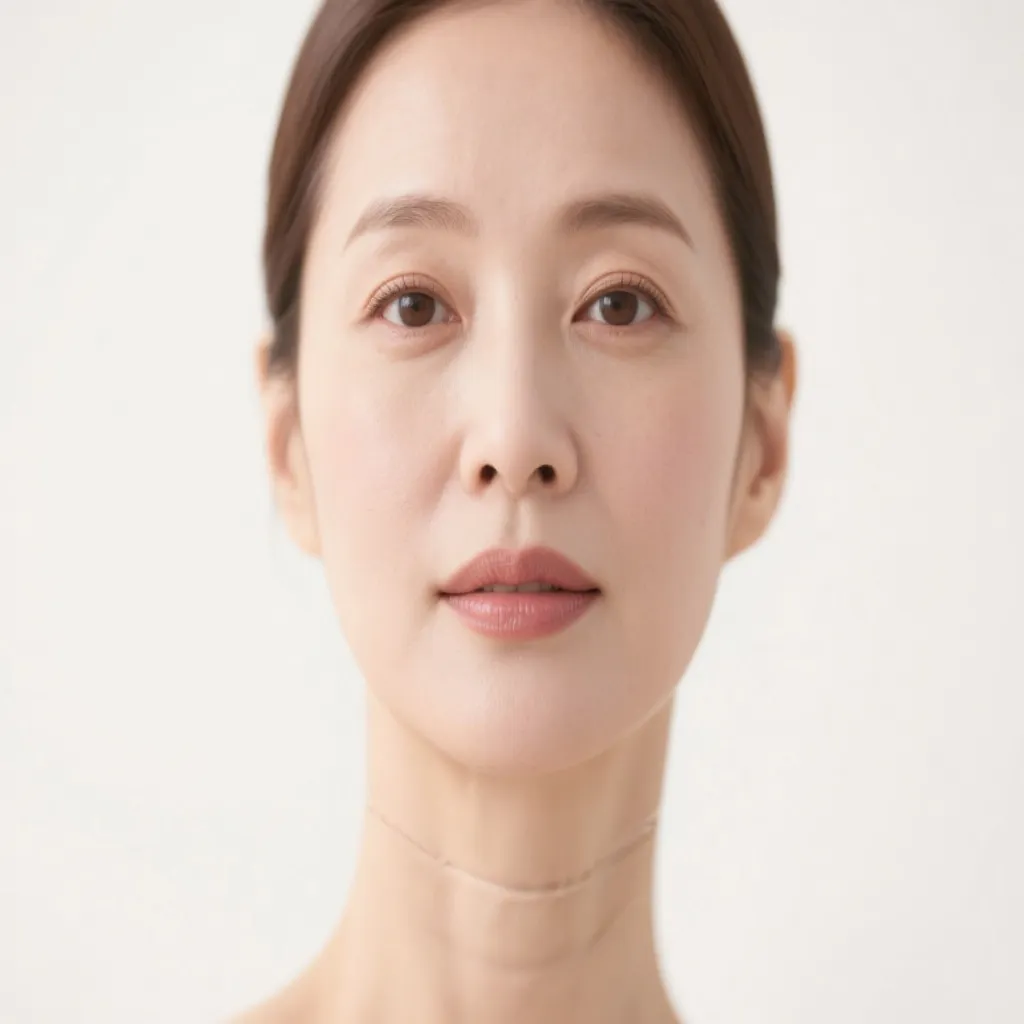
How to Choose Between a Facelift and a Thread Lift

How to Choose Between a Facelift and a Thread Lift

<h2>Two Lifting Options</h2><p>Both facelifts and thread lifts can rejuvenate the face, but they differ significantly in approach, results, and longevity. Understanding the differences helps you choose the right treatment.</p><h2>Facelift vs. Thread Lift</h2><p>A facelift surgically repositions deeper tissues for dramatic, long-lasting results, but requires more downtime and incisions. A thread lift offers a minimally invasive option with subtle lifting and minimal recovery, but results are temporary and less dramatic.</p><h2>Making Your Decision</h2><p>Consider your degree of sagging, desired results, and tolerance for downtime. A consultation can help you determine which approach best matches your goals and anatomy.</p>

Read More

Understanding the Role of Botox in Preventive Aging

Understanding the Role of Botox in Preventive Aging

<h2>Prevention Over Correction</h2><p>Botox is increasingly used not just to treat wrinkles but to prevent them. By relaxing facial muscles early, it can slow the formation of permanent lines.</p><h2>How Preventive Botox Works</h2><p>Repeated facial expressions crease the skin over time. Botox softens these movements, reducing the stress that leads to static wrinkles. Starting treatment before deep lines form can preserve a smoother complexion.</p><h2>Is It Right for You?</h2><p>Preventive Botox is most beneficial for younger patients beginning to notice early expression lines. A skilled injector can tailor the treatment to maintain natural movement while protecting against future wrinkles.</p>

Read More

The Importance of Realistic Before-and-After Expectations

<h2>Understanding Before-and-After Photos</h2><p>Before-and-after photos are valuable tools, but they should be viewed with realistic expectations. Every patient is unique, and results vary based on anatomy and individual healing.</p><h2>How to Evaluate Photos</h2><p>Look for patients with a similar body type and concerns to yours. Pay attention to lighting, angles, and the time elapsed since surgery. Reputable clinics show consistent, unedited results rather than cherry-picked outcomes.</p><h2>Setting Your Own Expectations</h2><p>Use photos as a reference, not a guarantee. An honest discussion with your surgeon about what is achievable for your unique body is the best way to set realistic expectations.</p>

Read More

How to Recognize Signs of Complications

<h2>Staying Vigilant During Recovery</h2><p>While complications are uncommon, knowing the warning signs helps you act quickly if something feels wrong. Early intervention can prevent more serious issues.</p><h2>Warning Signs to Watch</h2><p>Contact your surgeon if you experience fever, severe or worsening pain, excessive bleeding, or unusual discharge from incisions. Sudden swelling, redness spreading from the site, or shortness of breath also warrant immediate attention.</p><h2>When to Seek Help</h2><p>Trust your instincts. If you are concerned about any symptom, reach out to your care team. It is always better to ask than to wait when it comes to your health and safety.</p>

Read More

Understanding Lip Augmentation Options

<h2>Enhancing Your Lips</h2><p>Lip augmentation can add volume, improve shape, and define the lip border. Both temporary and permanent options are available, each offering distinct benefits.</p><h2>Your Options</h2><p>Dermal fillers are the most popular choice, providing natural-looking volume that lasts several months to over a year. Fat transfer offers longer-lasting results using your own tissue. Surgical implants or lifts are less common but may suit specific goals.</p><h2>Choosing the Right Approach</h2><p>Consider your desired outcome, budget, and tolerance for downtime. A skilled injector or surgeon can recommend the option that best complements your facial features.</p>

Read More

The Benefits of a Healthy Lifestyle Before Surgery

<h2>Preparing Your Body</h2><p>Your health before surgery significantly influences your recovery and results. Adopting healthy habits in the weeks leading up to your procedure sets the stage for optimal healing.</p><h2>Key Habits</h2><p>Eat a nutrient-rich diet, stay hydrated, and get adequate sleep. Avoid smoking and limit alcohol, both of which can impair healing. Gentle exercise (as approved) supports circulation and overall fitness.</p><h2>Why It Matters</h2><p>Patients who enter surgery in good health tend to recover faster with fewer complications. Preparing your body is one of the most valuable investments you can make in your results.</p>

Read More

How to Finance Your Cosmetic Surgery

<h2>Making Surgery Affordable</h2><p>Cosmetic surgery is a significant investment, but several financing options can make it more accessible. Planning ahead helps you pursue your goals without financial strain.</p><h2>Financing Options</h2><p>Many patients use medical financing plans or personal loans to spread payments over time. Some clinics offer in-house payment plans. Compare interest rates, terms, and fees carefully before committing.</p><h2>Smart Money Tips</h2><p>Save toward your procedure when possible, and avoid financing more than you can comfortably repay. Remember that quality and safety should always take priority over finding the lowest price.</p>

Read More

Understanding the Consultation Process Step by Step

<h2>What Happens During a Consultation</h2><p>The consultation is your opportunity to learn about your options and build trust with your surgeon. Knowing what to expect helps you make the most of the visit.</p><h2>Step by Step</h2><p>Your surgeon will review your medical history, discuss your goals, and perform a physical assessment. They will explain the procedure, potential risks, and expected recovery. You will have time to ask questions and view before-and-after photos.</p><h2>After the Consultation</h2><p>Take time to reflect before deciding. A good consultation leaves you informed and confident, never pressured. You can always schedule a second opinion if needed.</p>

Read More

The Role of Technology in Modern Plastic Surgery

<h2>Technology Enhances Care</h2><p>From 3D imaging to laser technology, modern tools have transformed plastic surgery. These advances improve precision, safety, and the overall patient experience.</p><h2>Key Innovations</h2><p>3D imaging lets patients preview potential results, improving communication and expectations. Laser and ultrasound devices enable less invasive procedures. Computer-assisted planning enhances surgical accuracy for complex operations.</p><h2>Benefits for Patients</h2><p>Technology often means smaller incisions, faster recovery, and more predictable outcomes. While tools are valuable, the surgeon's skill and judgment remain central to achieving beautiful, safe results.</p>

Read More

How to Stay Comfortable During Recovery

<h2>Prioritizing Comfort</h2><p>Recovery is easier when you are comfortable. Thoughtful preparation and simple strategies can reduce discomfort and help you rest more effectively.</p><h2>Comfort Tips</h2><p>Set up a cozy recovery space with pillows for support and elevation. Wear loose, soft clothing, and keep essentials within reach. Take prescribed pain medication as directed and use cold compresses to ease soreness and swelling.</p><h2>Supporting Your Wellbeing</h2><p>Stay hydrated, eat nourishing meals, and keep yourself entertained with books or shows. Gentle movement, as approved by your surgeon, can also improve circulation and reduce stiffness.</p>

Read More

Understanding Breast Lift Techniques

<h2>Restoring a Youthful Position</h2><p>A breast lift, or mastopexy, raises and reshapes sagging breasts for a firmer, more youthful contour. Different techniques address varying degrees of ptosis (sagging).</p><h2>Common Techniques</h2><p>The crescent lift is used for minimal sagging, the periareolar lift for mild cases, and the anchor or inverted-T lift for more significant drooping. Each technique involves different incision patterns and scar placements.</p><h2>Choosing Your Approach</h2><p>Your surgeon will recommend a technique based on your breast shape, size, and degree of sagging. Some patients combine a lift with augmentation for added volume and fullness.</p>

Read More

The Rise of Natural-Looking Results

<h2>A Shift Toward Subtlety</h2><p>Modern plastic surgery increasingly prioritizes natural-looking results. Patients today want to look like refreshed versions of themselves rather than dramatically altered.</p><h2>Why the Shift Happened</h2><p>Advances in surgical technique, refined injectables, and a cultural preference for authenticity have driven this change. Overdone results are now widely viewed as outdated, while subtle enhancement is celebrated.</p><h2>Achieving Natural Results</h2><p>Choose an experienced surgeon who values proportion and harmony. Clear communication about your goals—and a commitment to subtlety—helps ensure results that enhance your features without looking artificial.</p>

Read More

How to Manage Post-Surgical Bruising

<h2>Understanding Bruising</h2><p>Bruising is a normal response to surgery as blood collects beneath the skin. It usually peaks within the first few days and fades over one to two weeks.</p><h2>Reducing Bruising</h2><p>Cold compresses in the first 48 hours can help minimize bruising. Keeping your head elevated and avoiding blood-thinning medications and supplements (as directed) also reduces discoloration. Arnica and bromelain may help some patients.</p><h2>What to Expect</h2><p>Bruising changes color as it heals, gradually fading from purple to yellow before disappearing. If bruising is severe, painful, or accompanied by other symptoms, contact your surgeon.</p>

Read More

Understanding the Recovery Timeline for Different Procedures

<h2>Every Procedure Is Different</h2><p>Recovery timelines vary significantly depending on the procedure. Understanding what to expect helps you plan your time and set realistic expectations.</p><h2>General Timelines</h2><p>Minimally invasive treatments like injectables require little to no downtime. Minor surgeries may need a few days to a week. Major procedures such as tummy tucks or facelifts often require two to six weeks for initial recovery and months for full results.</p><h2>Planning Ahead</h2><p>Discuss your specific recovery timeline with your surgeon during consultation. Arrange for adequate time off work and support at home so you can heal comfortably and completely.</p>

Read More

The Benefits of Platelet-Rich Plasma Therapy

<h2>Harnessing Your Body's Healing</h2><p>Platelet-rich plasma (PRP) therapy uses your own blood's growth factors to stimulate healing and rejuvenation. It is used for skin renewal, hair restoration, and enhanced recovery.</p><h2>How PRP Works</h2><p>A small blood sample is processed to concentrate platelets, which are then injected into the treatment area. These growth factors stimulate collagen production and tissue repair, promoting natural regeneration.</p><h2>Applications and Benefits</h2><p>PRP is popular for facial rejuvenation, reducing fine lines, and improving skin texture. It is also used to treat hair thinning and to support healing after surgery. Because it uses your own blood, the risk of reaction is minimal.</p>

Read More

How to Build a Long-Term Aesthetic Plan

<h2>Thinking Long-Term</h2><p>Rather than reacting to signs of aging as they appear, a long-term aesthetic plan takes a proactive, coordinated approach. It helps you maintain a natural, refreshed look over the years.</p><h2>Key Components</h2><p>A solid plan includes consistent skincare, sun protection, and periodic non-surgical treatments. Surgical procedures are staged thoughtfully to address structural changes as they occur. Regular consultations keep your plan aligned with your goals.</p><h2>Working With Your Provider</h2><p>An experienced provider can map out a timeline that balances immediate concerns with future needs. This strategy delivers gradual, harmonious results without dramatic or sudden changes.</p>

Read More

Understanding Non-Surgical Rhinoplasty Limitations

<h2>What Liquid Rhinoplasty Can't Do</h2><p>Non-surgical rhinoplasty is an excellent option for minor refinements, but it has important limitations. Understanding what it cannot achieve helps you choose the right procedure.</p><h2>Key Limitations</h2><p>Fillers cannot reduce the size of the nose or narrow a wide bridge. They cannot correct functional issues like breathing problems or major asymmetries. Results are temporary, requiring repeat treatments to maintain.</p><h2>When Surgery Is Better</h2><p>For significant reshaping, size reduction, or functional correction, surgical rhinoplasty is the better choice. A consultation helps determine which approach aligns with your anatomy and goals.</p>

Read More

The Connection Between Hormones and Skin Aging

<h2>Hormones and Your Skin</h2><p>Hormonal changes throughout life have a profound effect on skin health and aging. Understanding this connection helps you address skin concerns more effectively.</p><h2>Key Hormonal Shifts</h2><p>Declining estrogen during menopause reduces collagen and moisture, leading to dryness, thinning, and sagging. Fluctuations in androgens can trigger acne, while cortisol from stress accelerates aging. These changes influence how your skin looks and feels.</p><h2>Managing Hormonal Aging</h2><p>Skincare, hormone therapy (when appropriate), and aesthetic treatments can help counteract hormonal skin changes. A dermatologist or surgeon can recommend a plan tailored to your stage of life.</p>

Read More

How to Choose the Right Surgeon for Revision Surgery

<h2>Why Revision Is Different</h2><p>Revision surgery corrects or improves the results of a previous procedure. It is often more complex than primary surgery, making the choice of surgeon especially important.</p><h2>What to Look For</h2><p>Seek a surgeon with specific experience in revision procedures and a track record of successful outcomes. Review before-and-after photos of similar cases and ask detailed questions about their approach to your concerns.</p><h2>Building Trust</h2><p>A thorough consultation should leave you feeling informed and confident. The right surgeon will listen carefully, set realistic expectations, and develop a personalized plan to achieve your goals.</p>

Read More

Understanding Scar Revision Options

<h2>Improving Scar Appearance</h2><p>Scar revision is a set of techniques used to minimize the appearance of scars and restore function. Whether from surgery, injury, or acne, scars can often be improved with the right approach.</p><h2>Treatment Options</h2><p>Topical treatments and silicone products help with mild scarring. Laser therapy can reduce redness and smooth texture. Surgical revision repositions or excises scars for a less noticeable result. Steroid injections address raised or itchy scars.</p><h2>Choosing the Right Treatment</h2><p>The best option depends on the scar's type, location, and age. A consultation with a specialist helps determine which approach will deliver the most natural improvement for your skin.</p>

Read More

Book Your Free Consultation

Get Started